Zum Erkunden blättern

Donnerstag August 13, 2026
Artikel über Kitesurfen
Summer vs Winter Kitesurfing in Kalpitiya: Which Season Is Right for You?
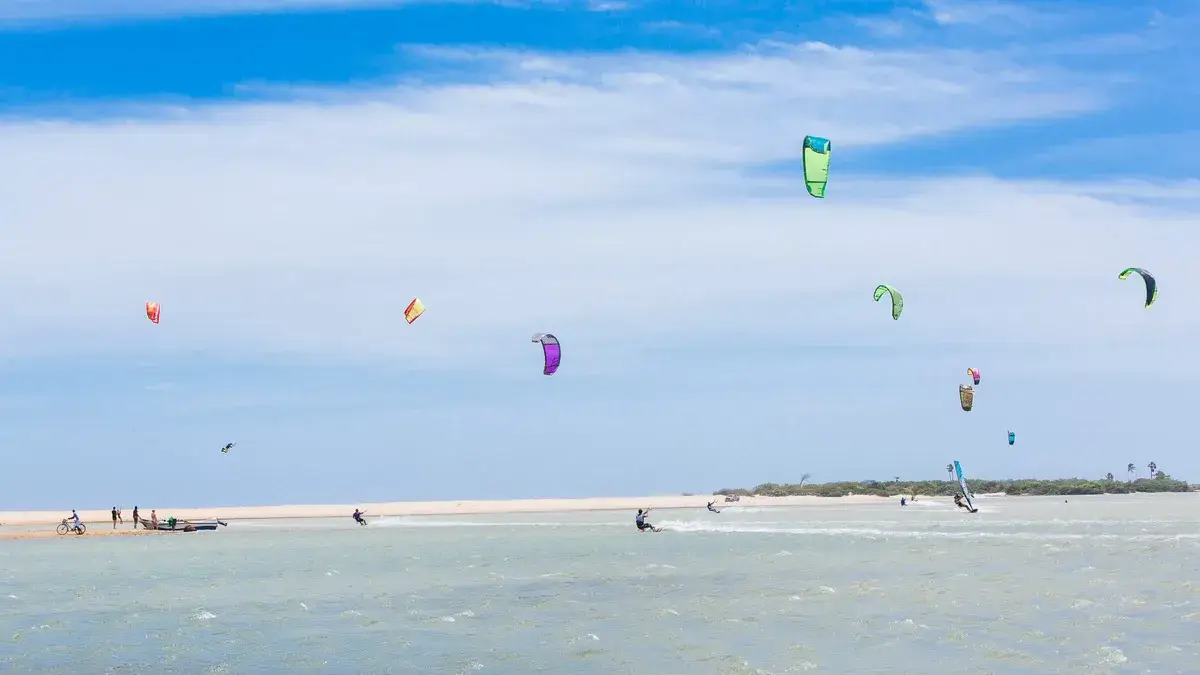
One of the first questions we get from kiters planning a trip to Kalpitiya is simple: When should I come? The slightly less simple answer is that Kalpitiya has two kite seasons – and they feel quite different. The summer season runs roughly from mid-May to mid-October, while the winter season runs from mid-December to mid-March. Both offer warm water, reliable wind and access to the Kalpitiya Big Lagoon. The main differences are wind strength, daily rhythm and where you can kite.
Summer: stronger wind and more exploring
If your priority is spending as much time as possible on the water, summer is hard to beat. The southwest wind typically averages around 18–25 knots, with stronger days above that. It usually starts earlier than in winter and can continue throughout the day. This is also our favourite season for exploring beyond the main lagoon. Vella Island, Mini Vella, Dream Spot and the sandbanks of the Puttalam Lagoon open up different possibilities depending on the conditions. Some are reached by boat, others can be combined with downwinders. Donkey Point adds an ocean option when conditions are right. So a week of kitesurfing in Kalpitiya does not necessarily mean seven days riding the same stretch of lagoon.
Summer is particularly interesting if you want stronger wind, long days on the water, kite trips, downwinders and plenty of variety between sessions.
Winter: slower mornings, afternoon wind
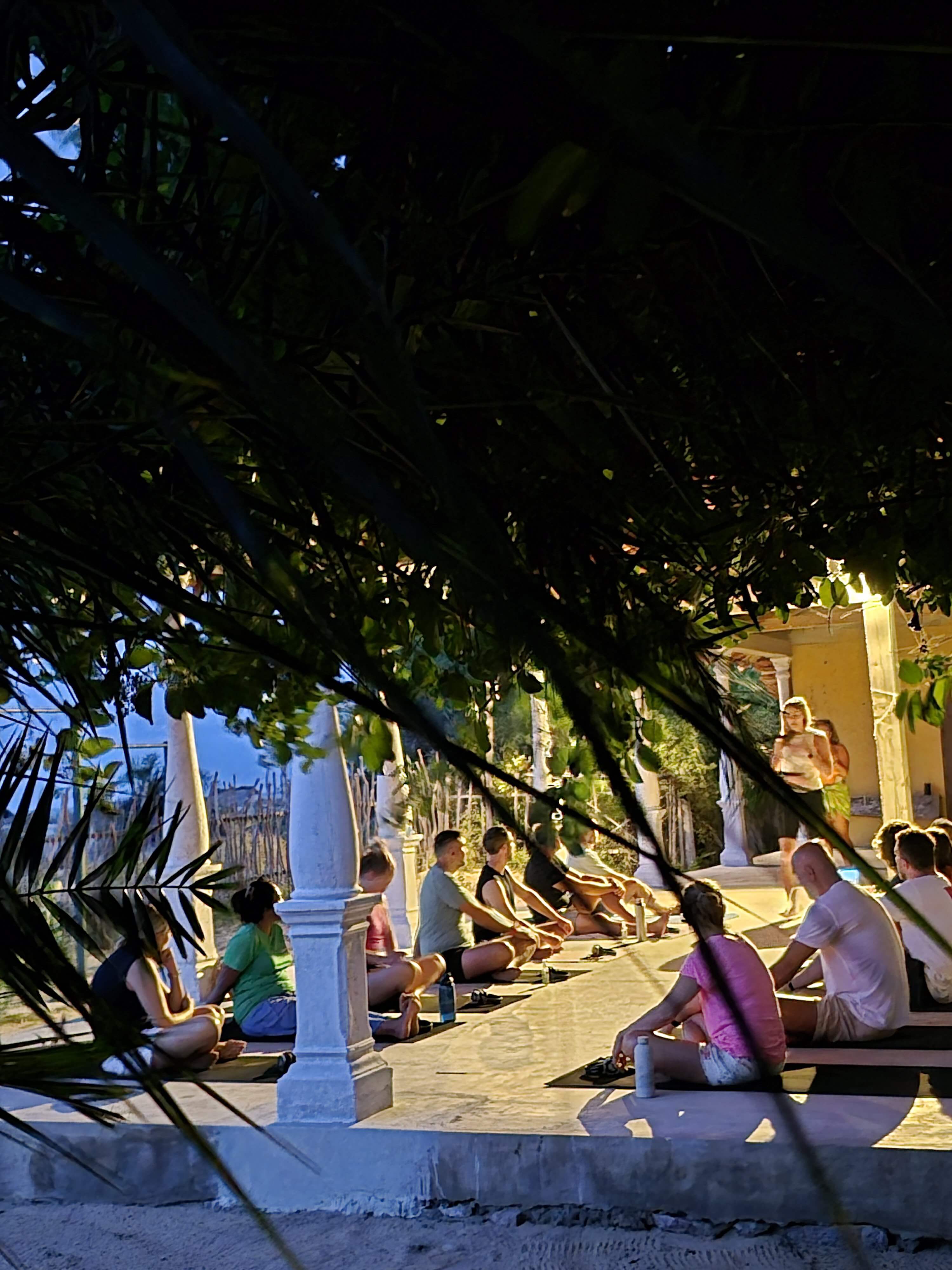
Winter has a different rhythm. From around mid-December to mid-March, the wind is generally lighter and often builds towards midday before continuing through the afternoon. At KSL we typically work with a range of around 15–25 knots during this season. That changes how the day feels. There is rarely a need to rush through breakfast. Mornings can be used for yoga, diving, dolphin and whale watching or simply doing very little before heading onto the water later. The change in wind direction also makes the small lagoon directly in front of KSL particularly interesting in winter. Independent riders can kite directly from the camp, while lessons continue at the Kalpitiya Big Lagoon. For us, that is one of the nicest differences between the two seasons: the geography stays the same, but the way we use it changes.
What if you are learning to kitesurf?
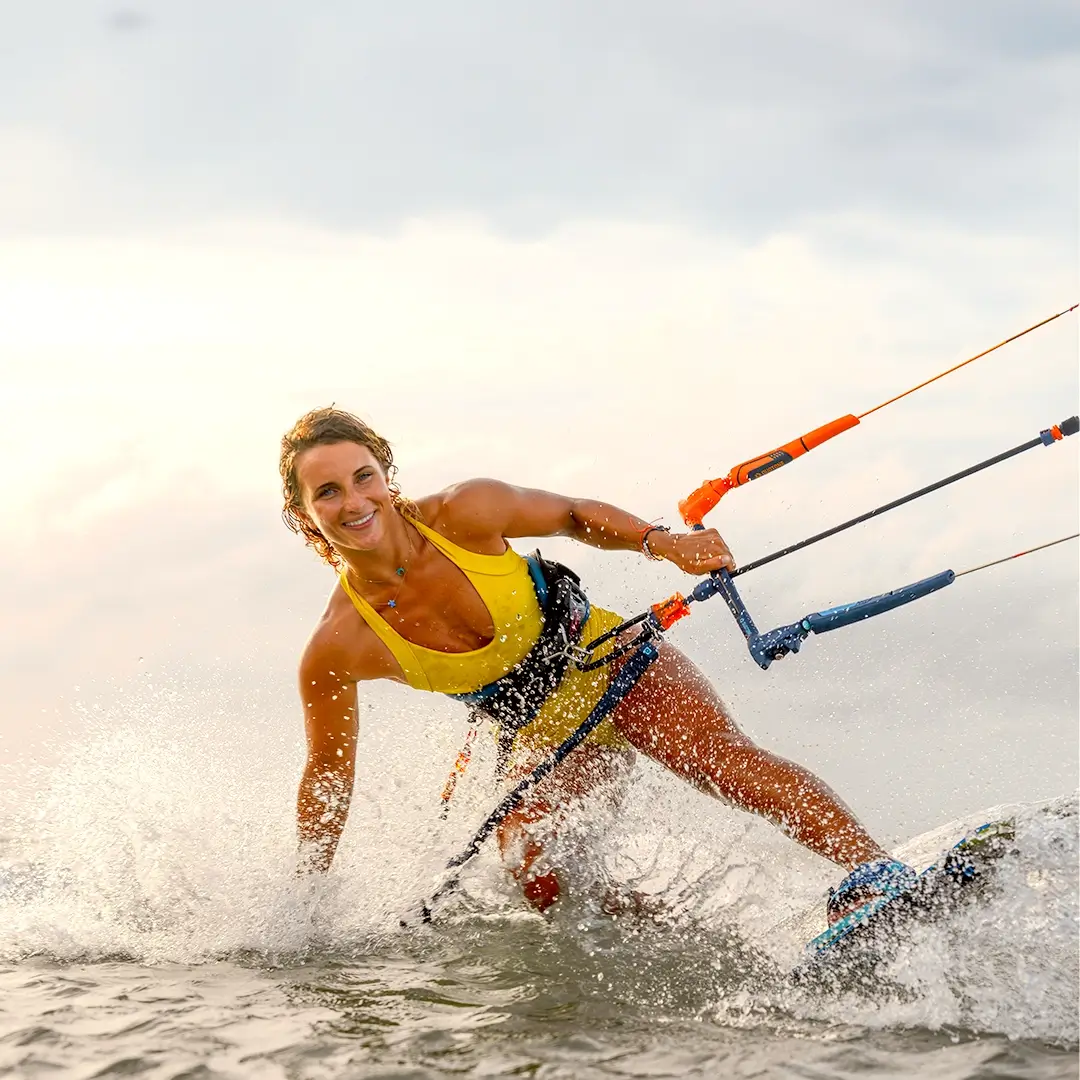
You can learn in either season. Lessons at KSL take place in the Kalpitiya Big Lagoon in both summer and winter. Its large areas of flat, shallow water give beginners space for kite control, body drags, water starts and those first rides on the board. Summer can bring stronger wind, while winter is generally lighter. But we would not choose your travel dates based purely on the idea that one season is for beginners and the other for advanced riders. There are good learning days in both.
Summer or winter?
If you want stronger wind, longer kite days and as many kite trips as possible, we would lean towards summer. If you like the idea of slower mornings, afternoon sessions and combining kitesurfing with diving, wildlife or other parts of Sri Lanka, winter is a very good fit.
For beginners, either works. For experienced riders, the better choice depends much more on what kind of trip you want than on your level. And whichever season you choose, leave some room in the plan. Wind determines where we kite, which trips run and sometimes what we do with the morning. That is part of living by the lagoon.